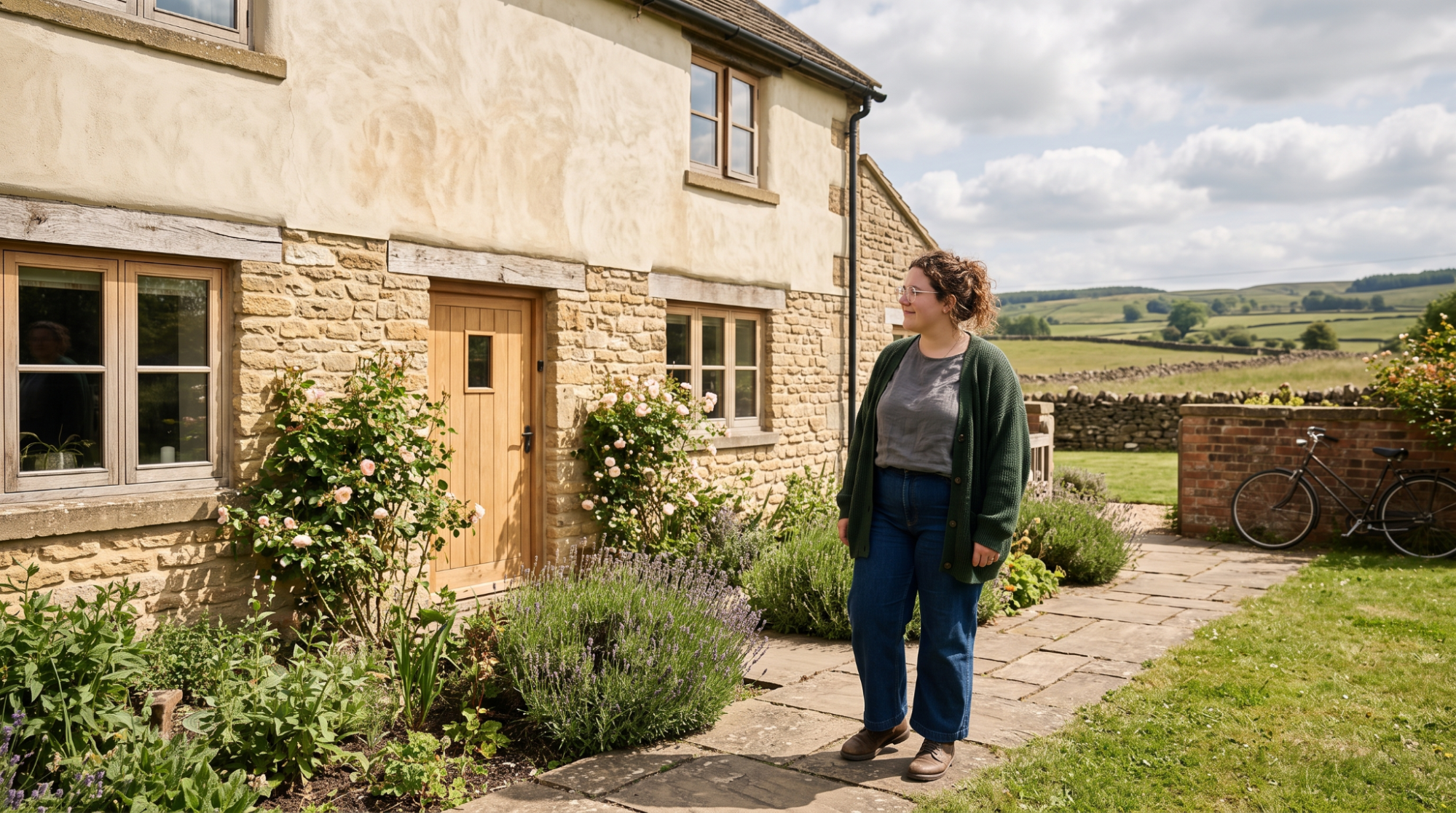
When you touch the wall of a modern hotel in Bath, you might feel something surprising. The surface is cool, smooth, and slightly shiny, similar to stone. This is lime plaster, a material the Romans used about 2,000 years ago for their bathhouses and homes.
According to Historic England, there are 379,580 listed buildings in the UK. Long before cement came along, builders relied on lime as their main material. This use of lime is a key part of British history and construction heritage.
Lime plaster isn’t just a passing trend. It allows walls to breathe, lasts for decades, and provides a richness that regular paint cannot match. Architects and interior designers across the UK are using it more for both historic restorations and modern constructions. Knowing the history and versatility of this material reveals why it continues to stand the test of time in modern architecture.
At TL Magazine, we help you discover the newest trends in design, architecture, and art through our blogs.
The Romans Started It All
Lime plaster is an old building material. Roman builders used a mix of lime, sand, and crushed stone to cover walls in their homes, temples, and bathhouses. This coating helped keep out moisture, bounced light around, and gave rooms a gentle radiance that plain stone couldn’t provide.
This method travelled throughout Italy and eventually made its way to Venice. There, plasterers improved it, creating what you now call Venetian polished plaster. They often applied many thin layers, one after another, and then polished the surface by hand until the walls resembled solid marble.
Even today, centuries later, the grand palaces along the Grand Canal still showcase this finish. Those early plasterers created strong surfaces without modern equipment. These surfaces still look smooth and shiny in the surviving ancient ruins. For a deeper insight of how these layers were built, explore this Roman art guide explaining the wall-painting techniques used at Pompeii.
The Architects Bringing Lime Back
Lime is an eco-friendly building material made from limestone, water, and sand. It does not contain plastic and uses less energy to produce than synthetic materials. When you apply lime to a wall, it absorbs carbon dioxide from the air as it dries.
It also functions as a breathable plaster. This means moisture can get out through the lime plaster instead of getting stuck inside. This is great for the UK’s wet weather and for older buildings with solid walls. Many people with older homes prefer lime plaster because cement plaster traps moisture, which can cause damage.
More people are choosing sustainable restoration, and this trend is clear in the industry numbers. A 2025 Verified Market Reports report found that the UK lime mortar market was worth $0.20 billion in 2024. The market is expected to grow as more builders and homeowners prefer lime over cement. This reflects a trend towards more sustainable materials. Homeowners and interior designers are excited about this positive shift.
The Hands Behind Every Finish
Putting up lime plaster correctly requires a lot of skill. You have to get the thickness, dry time, and pressure just right for each layer so it doesn’t crack or look uneven. It can take many years to master Venetian polished plaster because it’s built up by hand, not rolled or sprayed.
Before any plaster goes on the wall, it is helpful to discuss the project with specialists like the team at Evoke Polished Plastering. They can help ensure the chosen finish suits the room’s unique light, size, and daily purpose.
The way light moves across a wall changes depending on the style, as a matte stucco finish interacts with a room quite differently than a reflective marble effect. Making these design choices early helps ensure the final result feels right for the space.
The Spaces Wearing Lime Today
Lime plaster is no longer just for country homes. Boutique hotels use smooth, polished lime plaster in their lobbies to create a welcoming and rich feel that guests notice right away. Art galleries like it for their display walls because this traditional lime finish has a soft texture and subtle shine that make paintings look great without causing glare.
Often, one lime plaster wall can become the main feature of a room, with its surface changing how it looks as the light shifts throughout the day. Shops also use it, giving their storefronts and display areas a sophisticated look that feels high-end without being overly flashy.
Conclusion
Lime finishes bridge the gap between ancient Roman engineering and modern interior design. They are durable, breathable, and ideally suited to the British climate, offering a visual depth that paint cannot replicate. If you’re restoring an old building or designing a new one, talk to a plastering specialist early on. They can show you how a lime finish could beautifully change your walls.
- Lifestyle
- August 26, 2026